Skip to content
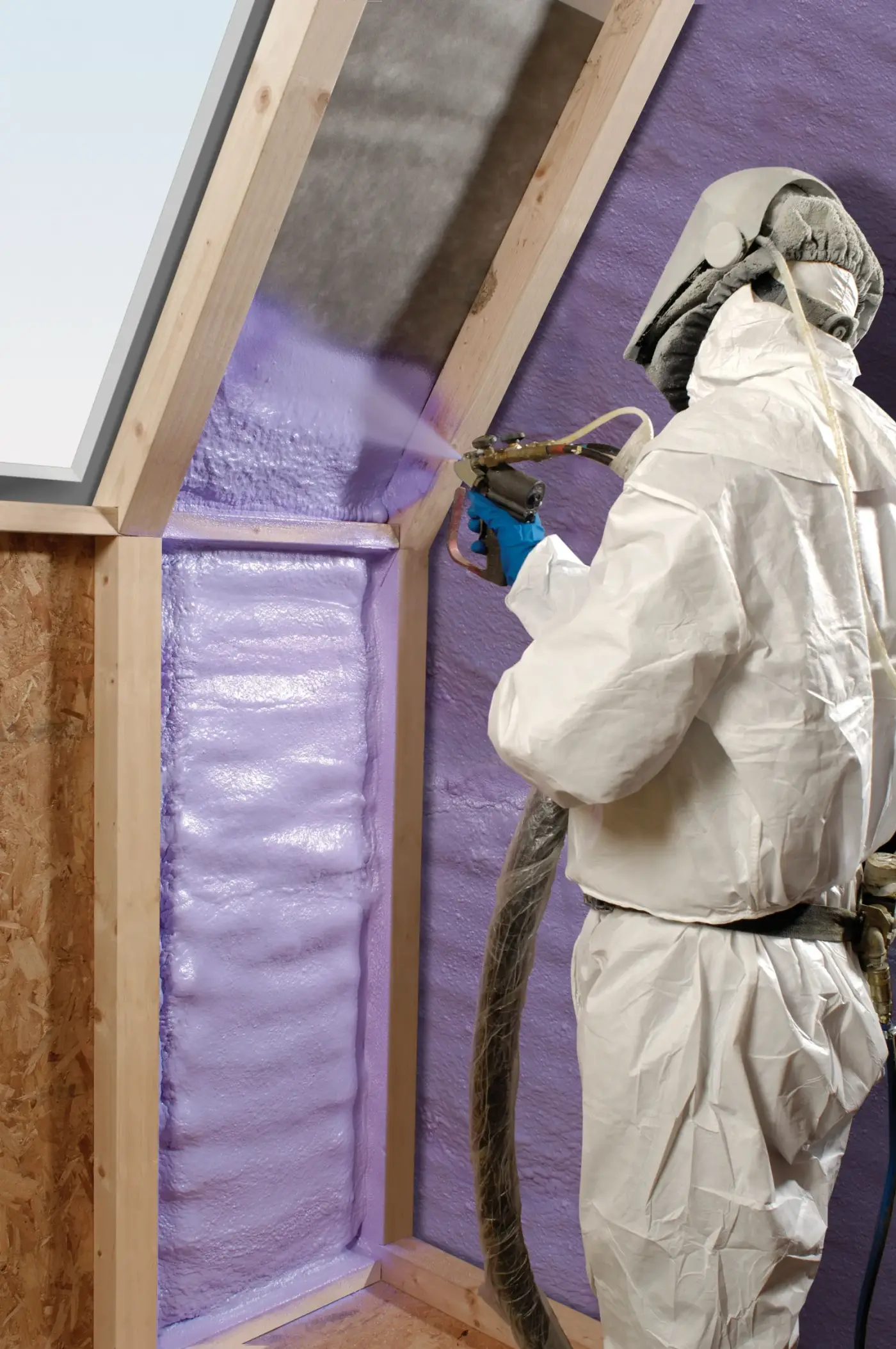
Applying spray foam across roof framing and walls

Metal Building Insulation

Stop Condensation and Heat in Your Metal Building

Metal structures can become ovens in summer and sweat in humid weather, leading to condensation and discomfort. Spray foam insulation creates a powerful barrier against temperature extremes and moisture.

Protect your valuable tools, vehicles, or living space within your metal building. Proper insulation helps maintain a stable environment, reducing energy costs and preventing damage.

Spray Foam for Metal Buildings

Metal buildings often struggle with temperature regulation and condensation due to their construction materials. Spray foam insulation is an excellent solution for Atlanta's climate. It expands to fill every gap and seam, creating a continuous thermal and air barrier. This prevents humid air from condensing on cool metal surfaces, which can cause rust and damage. It also significantly reduces heat gain in summer and heat loss in winter, making your space more comfortable year-round.

Condensation Control in Metal Structures

The temperature difference between the outside and inside of a metal building, especially during humid Atlanta days, causes moisture to form on the interior surfaces. This condensation can lead to rust, mold, and damage to stored items. Spray foam insulation acts as a thermal break, keeping the interior surface temperature closer to the ambient air, thus preventing condensation from forming.

Thermal Performance for Shops and Garages

Metal buildings can become extremely hot in the summer sun and quite cold in winter. Spray foam insulation provides a high R-value per inch, effectively blocking heat transfer. This means your workshop stays cooler when you need to work, and your garage is more comfortable, reducing the strain on any heating or cooling systems you might use.

Barndominium Insulation Needs

For those living in barndominiums, comfort is paramount. Spray foam insulation is ideal for creating a well-sealed and energy-efficient living space. It addresses common issues like drafts and uneven temperatures often found in structures that combine living quarters with large open metal areas, ensuring a consistent indoor climate.

Preparing Your Metal Building for Insulation

Before spray foam application, ensure the metal building is clean and free of debris. All necessary electrical and plumbing work should be completed. Verify that the metal panels are securely fastened. Any existing moisture issues or leaks should be addressed to ensure the long-term effectiveness of the insulation. Consult with a professional about any specific structural considerations.

Preparing Your Metal Building

  • Clear all stored items from walls and floors.
  • Ensure all electrical wiring and plumbing are in place.
  • Repair any holes, gaps, or leaks in the metal siding or roof.
  • Verify that ventilation systems are installed or planned.
  • Confirm the building is free from active moisture or mold.
  • Remove any dust or loose debris from surfaces.

More About Metal Building Insulation

Learn more about the benefits of spray foam for metal structures. Understand how it tackles common problems like condensation and temperature fluctuations in Atlanta's climate.

Metal Building Insulation FAQs

Will spray foam stick to metal?

Yes, spray foam adheres very well to metal surfaces once properly prepared. The expansion process ensures a tight bond, creating a seamless insulation layer.

Can spray foam stop rust on metal buildings?

Spray foam prevents condensation, which is a primary cause of rust. By eliminating the surface for moisture to form, it helps protect the metal from corrosion.

What type of spray foam is best for metal buildings?

Closed-cell spray foam is often recommended for metal buildings due to its higher R-value, structural rigidity, and excellent vapor barrier properties, which are crucial for condensation control.

Do I need a vapor barrier with spray foam?

Closed-cell spray foam acts as its own vapor barrier. For open-cell foam, a separate vapor barrier might be necessary depending on climate and building codes, but closed-cell is generally preferred for metal buildings.

Call Now (678) 892-7490