Skip to content
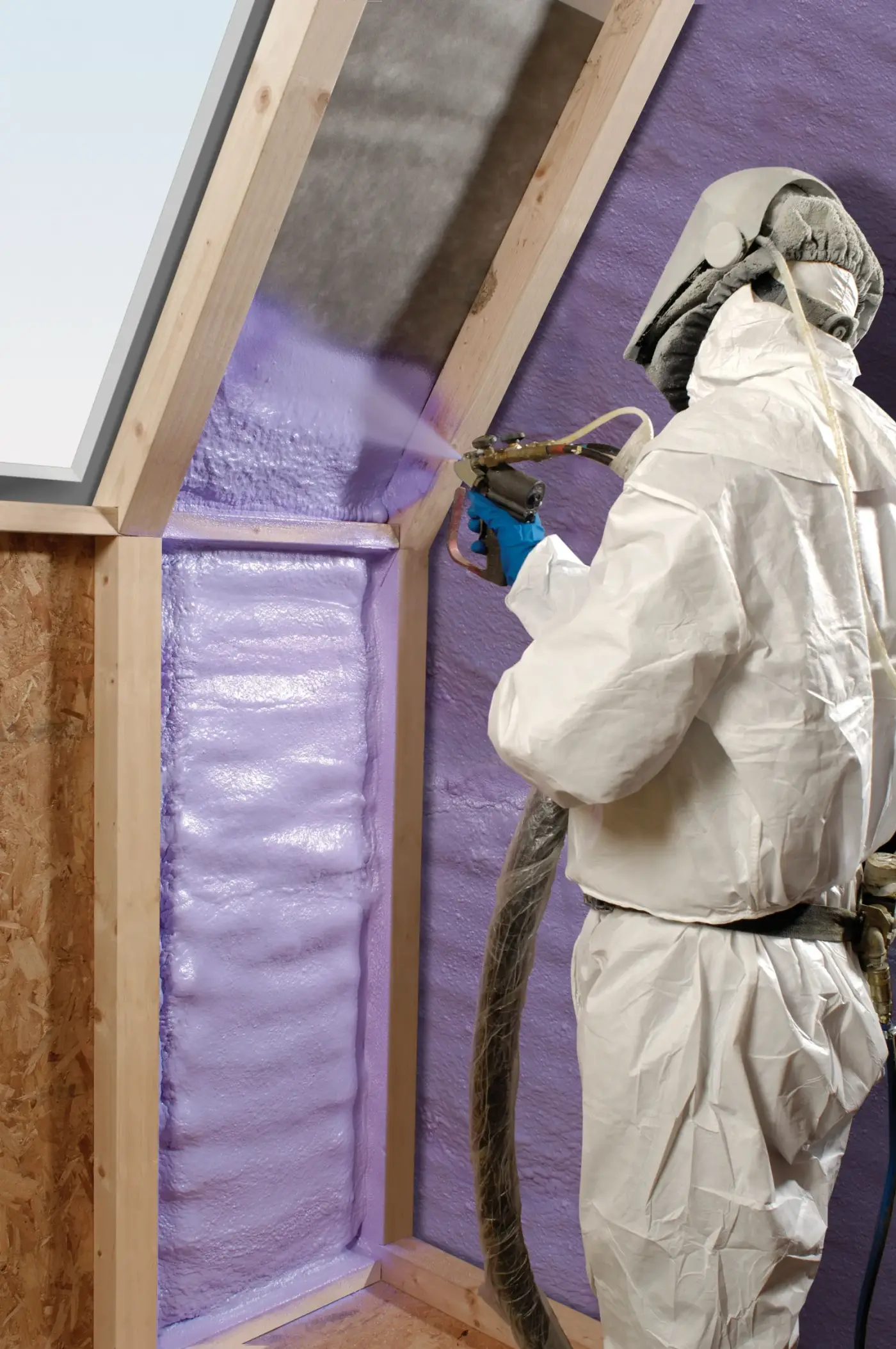
Applying spray foam across roof framing and walls

Attic Comfort

Stop Your Attic From Overheating

Does your attic feel like an oven, making rooms below unbearable? Proper air sealing is key to blocking heat transfer and improving your home's comfort.

We help Atlanta homeowners tackle hot attic problems by sealing air leaks and insulating effectively. This can significantly reduce your cooling bills and make your home more enjoyable.

Why is my attic so hot?

Heat builds up in attics primarily due to solar radiation on the roof and poor insulation. Without effective air sealing, hot air from the attic can easily infiltrate your living space. Additionally, uninsulated or poorly insulated ductwork running through the attic loses conditioned air, further exacerbating the problem and increasing energy costs.

The Impact of Attic Heat

An overheated attic acts like a giant radiator, pushing heat down into your living areas. This forces your air conditioner to work harder and longer to maintain a comfortable temperature. Over time, this constant strain can lead to higher energy bills and premature wear on your HVAC system. Addressing attic heat is a fundamental step toward a more energy-efficient home.

Air Sealing for Attic Efficiency

Air sealing is the process of identifying and closing off pathways where air can move between your attic and conditioned living spaces. Common culprits include gaps around light fixtures, plumbing vents, attic hatches, and where walls meet the ceiling. Sealing these leaks prevents hot attic air from entering your home and conditioned air from escaping.

Spray Foam for Attic Air Sealing

Spray foam insulation is an excellent solution for attic air sealing. It expands to fill every crevice, creating a continuous, airtight barrier. Both open-cell and closed-cell spray foam can effectively seal leaks. Closed-cell offers a higher R-value per inch and acts as a vapor barrier, while open-cell is more flexible and cost-effective for larger areas.

Comfortable Rooms Above the Garage

Rooms located above garages often experience extreme temperature fluctuations. This is frequently due to inadequate insulation and air sealing in the floor and ceiling assemblies. Spray foam can create a robust thermal barrier, making these bonus rooms more comfortable year-round and reducing the load on your central cooling system.

Before You Insulate Your Attic

  • Ensure all roof leaks are repaired.
  • Verify attic ventilation is adequate (soffit and ridge vents).
  • Check for and address any pest infestations.
  • Identify and seal major air leaks before insulation.
  • Confirm any ductwork in the attic is properly sealed and insulated.
  • Consider the type of insulation best suited for your attic's needs.

More Attic Solutions

Explore other ways to improve your attic's performance and your home's overall energy efficiency. Addressing these areas can lead to greater comfort and savings.

Common Attic Insulation Questions

Will air sealing alone solve my hot attic problem?

Air sealing is a critical component, but it works best in conjunction with proper insulation. Sealing leaks prevents air transfer, while insulation slows heat transfer. Together, they create an effective thermal barrier.

What's the difference between open-cell and closed-cell foam for attics?

Closed-cell foam is denser, has a higher R-value per inch, and acts as a vapor barrier. Open-cell foam is lighter, more flexible, and a good air barrier but not a vapor barrier. Both can be effective for attic air sealing.

Can I insulate my attic myself?

While some insulation types can be DIY, spray foam application requires specialized equipment and safety precautions. Professional installation ensures proper coverage, density, and performance, especially in complex attic spaces.

How does attic insulation affect my energy bills?

A well-insulated and air-sealed attic significantly reduces heat gain in summer and heat loss in winter. This means your HVAC system doesn't have to work as hard, leading to lower energy consumption and reduced utility bills.

Call Now (678) 892-7490