Skip to content
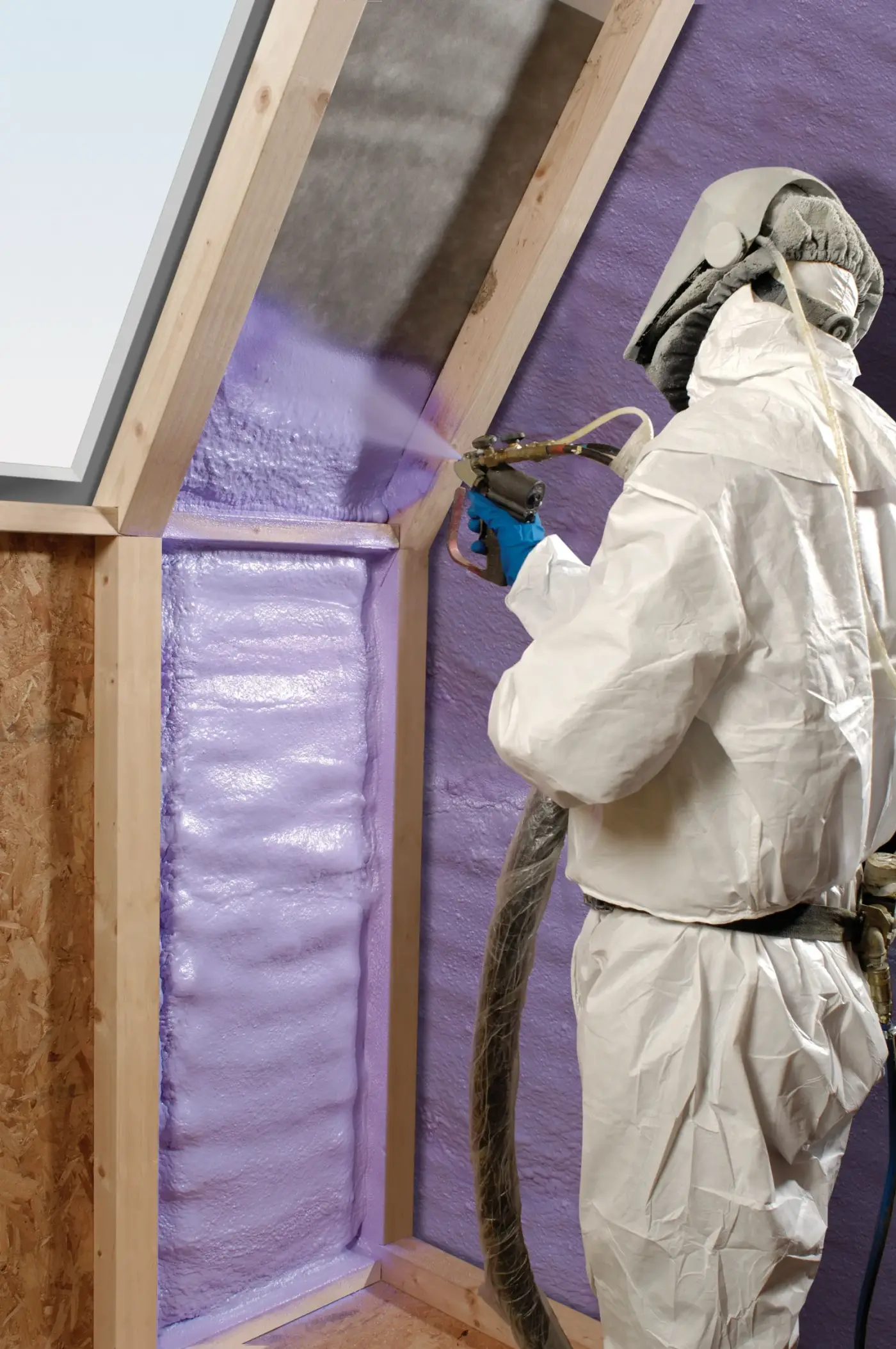
Applying spray foam across roof framing and walls

Attic Inspection Findings

Attic Insulation Needs After Your Home Inspection

Your home inspection report highlighted attic insulation or air sealing concerns? These findings are common, especially in older Atlanta homes. Addressing them promptly can prevent discomfort and energy loss.

Upgrading attic insulation and sealing air leaks can help meet inspection requirements and improve your home's performance. Resolve these issues effectively.

Resolving Attic Inspection Issues

A home inspection often reveals areas where attic insulation is insufficient or air leaks are present. These can lead to uneven temperatures, higher energy bills, and potential moisture problems. Spray foam insulation provides a superior air seal and thermal barrier, effectively addressing common inspection findings in Atlanta attics. Ensure your attic meets current standards for comfort and efficiency.

Common Attic Inspection Findings

Home inspectors often identify inadequate insulation levels, missing insulation in certain areas, or significant air leaks around vents, light fixtures, and plumbing penetrations. These issues can compromise your home's energy efficiency and comfort, making them important to fix before closing a sale or to improve your own living environment.

Why Attic Air Sealing Matters

Attic air sealing prevents conditioned air from escaping into the attic space and unconditioned outside air from entering your home. This is crucial in Atlanta's climate, where temperature fluctuations are significant. Properly sealed attics reduce the workload on your HVAC system and improve indoor air quality.

Spray Foam for Attic Solutions

Spray foam insulation offers excellent performance for attics. It expands to fill every crevice, creating a continuous air barrier and thermal envelope. This is particularly effective for sealing complex attic framing, ductwork, and around recessed lighting, which are common problem areas identified in inspections.

Before You Start Work

Before proceeding with attic insulation or air sealing, verify that no active moisture issues or pest infestations are present in the attic. Ensure any necessary electrical or plumbing work is completed before insulation is applied. Consult with your inspector or a qualified contractor about specific recommendations.

Addressing Attic Inspection Notes

  • Review the specific attic insulation recommendations from the inspection report.
  • Identify all areas noted for air sealing (e.g., around penetrations, framing edges).
  • Determine if existing insulation needs to be removed or supplemented.
  • Consider the best insulation type for your attic's needs.
  • Verify that the attic structure is sound and free of moisture.
  • Get quotes from qualified insulation contractors.

Other Attic Concerns

Beyond inspection findings, attics can have other issues like heat buildup or uncomfortable bonus rooms. Explore solutions for common attic problems.

Attic Insulation Questions

What if the inspection found mold in the attic?

Mold indicates a moisture problem. This must be addressed and remediated by a specialist before any insulation work begins to prevent recurrence.

Can I just add more insulation?

Adding more insulation can help, but it won't fix air leaks. Addressing both insulation levels and air sealing provides the best results.

How does spray foam compare to other attic insulation?

Spray foam creates a superior air seal and conforms to irregular spaces, often outperforming traditional insulation in preventing air leakage and improving thermal resistance.

Do I need a permit for attic insulation?

Permit requirements vary. It's best to check with your local Atlanta building department or ask your insulation contractor about local regulations.

Call Now (678) 892-7490