Atlanta houses signal insulation trouble in both seasons: upstairs rooms that never cool in July, floors cold in January, and the crawl-space smell that visits the living room in humid weeks. All three trace to the envelope, and all three diagnose quickly.
The Georgia symptom set
Summer: bedrooms over garages unbearable, AC running continuously, humidity indoors even with cooling. Winter: cold floors over crawl spaces, drafts at outlets. Year-round: musty odors after rain, ductwork sweating, allergy flare-ups indoors. Each maps to attic, walls, or crawl.
What the professional visit finds
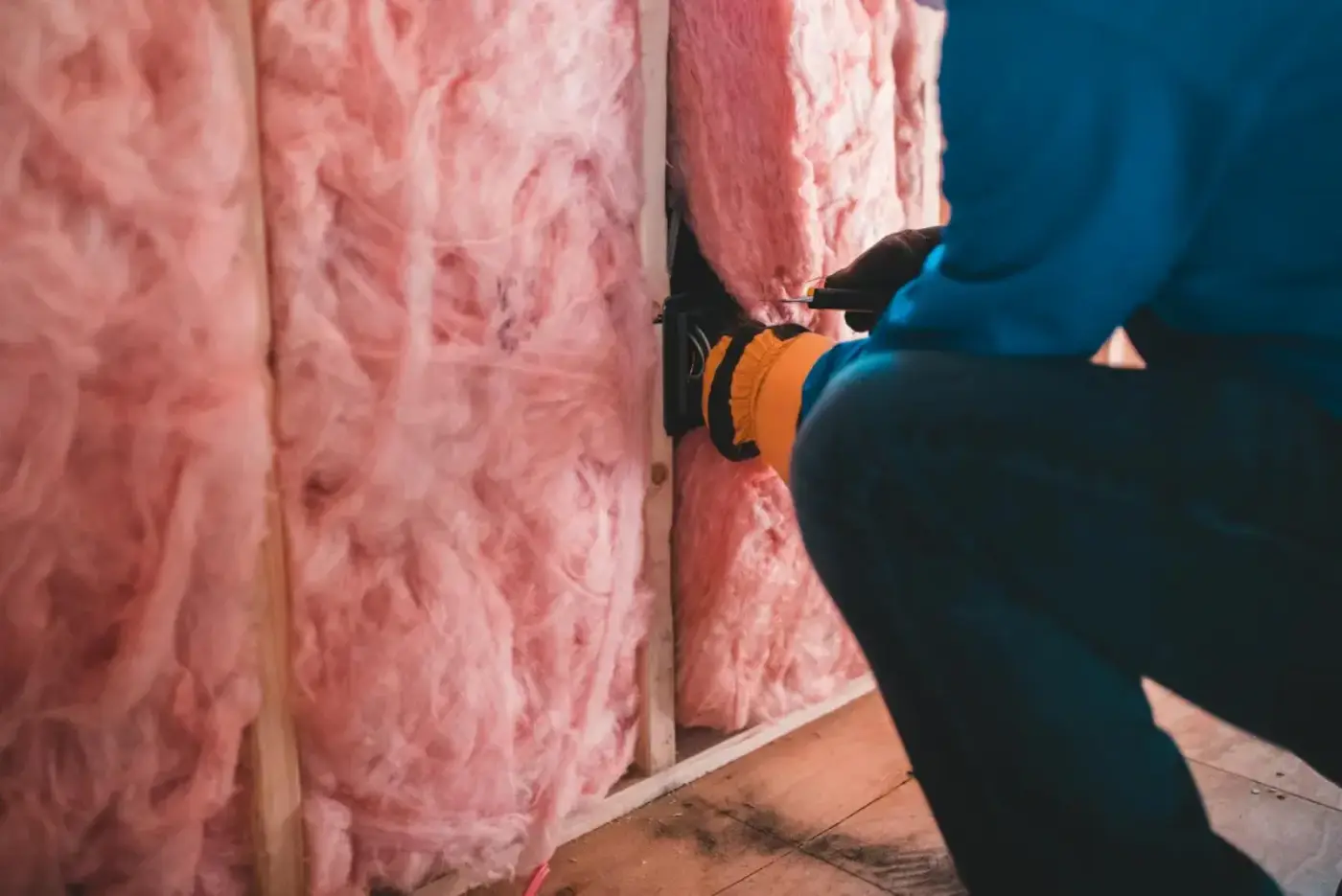
Insulation depth and coverage, duct leakage, air paths from crawl and attic into living space, and moisture evidence — sweating ducts, damp subfloor, mold shadows. Blower doors and thermal cameras convert symptoms into a prioritized fix list with numbers attached.
Where DIY stops in a humid climate
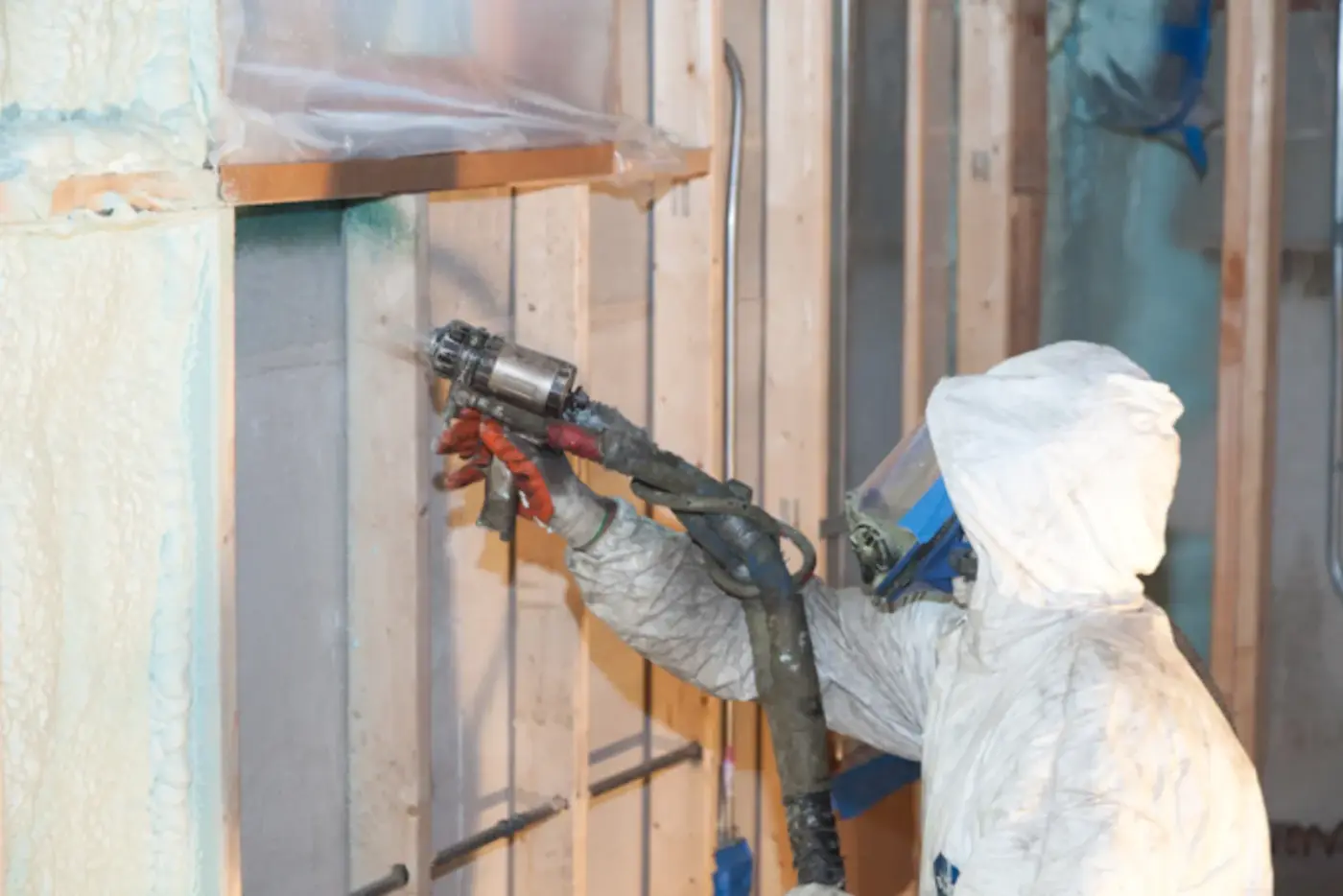
Caulk, weatherstrip, and top up accessible attic insulation freely. But foam kits in crawl spaces and rooflines carry humidity stakes here — vapor behavior, ventilation changes, and code barriers are design decisions, and a wrong one grows mold instead of savings.
Sequence the spending
Evaluate before replacing HVAC — right-sizing against a sealed envelope buys smaller, cheaper equipment. Book crawl and attic work in spring or fall for working conditions and scheduling slack; summer discovers everyone's problems at once.
Timing and sequence
Book evaluations in the shoulder seasons, fix before the weather that exposed the problem returns, and never replace HVAC before sealing the envelope it serves.
The musty-crawl-space smell is the one symptom that should skip the queue — in this climate it is a moisture project with a deadline, and it only grows.